Personal projects

Self-directed work, documented as systems.

This collection extends beyond course briefs into software, experimentation, and technical publishing. Each case study connects the purpose of a project to its architecture, implementation, evidence, operating constraints, and next steps.

Experiments · Built systems and measurement Software · Architecture and observable behavior Documentation · Evidence, constraints, and next steps
Scope

Personal projects are documented as evolving systems, so current behavior, dependencies, and unresolved work remain visible alongside completed features.

Project collection

Open a project, then inspect the evidence.

Each entry leads to a full case study with the artifacts and caveats appropriate to that work. New projects can join the same system without implying identical methods, maturity, or evidence.

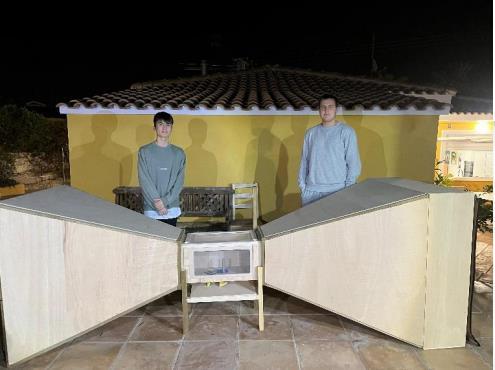
Jan Kazimierczak and a teammate standing behind their custom wind tunnel Personal · Experimental study
Team study · Wind-tunnel testing · Model-scale aerodynamics

Aerodynamics of different control surfaces for orbital booster landing

A three-person team built a custom wind tunnel, fabricated 18 grid-fin variants, collected more than 180,000 load-cell observations through Arduino and Python tooling, and compared the designs in R.

  • 18 parameterized grid-fin variants
  • Arduino and Python acquisition
  • ANOVA and Tukey HSD in R

Key evidenceThe simple-outline 6 mm square-hole fin ranked highest in the model-scale test; the result does not establish flight performance.

Documentation standard

Keep purpose, evidence, and limits connected.

Projects can use different tools and reach different levels of maturity. The same structure keeps each one inspectable without forcing identical success stories.

  1. Purpose

    Define the system

    State the problem, intended user or use, operating environment, dependencies, and practical constraints.

  2. Build

    Expose implementation

    Show the architecture, components, code, fabrication, and decisions that turn the idea into a working system.

  3. Evidence

    Observe behavior

    Use measurements, screenshots, reports, demonstrations, or source material appropriate to the project.

  4. Limits

    Preserve next steps

    Identify failure modes, unresolved work, operating boundaries, and the evidence still needed.

Course context

See how the same habits transfer to team engineering work.

The course-project track covers physical systems, calculations, prototypes, and tests.

Explore coursework